Latest Post


What does it take to be a really good web developer?

If you’re working at your first programming job, you probably found out quickly that it’s not easy.
It’s one thing to watch coding tutorials, read programming books, and make portfolio sites. It’s quite another to have to build websites from spec, to meet deadlines, and most importantly, to make sure that your bosses and clients are happy!
On top of all that, technology changes fast. You may feel like you have to stay on top of trends or risk becoming obsolete next year.
Want to know a secret, though? You don’t have to be afraid.
As you keep working, you will gain experience in your job. In the same way that you’ve learned coding, you can also learn how to perform at a high level at work.
It’s possible to learn how to be a good web developer. And it’s even possible to be an indispensably good web developer. (Obviously I can’t guarantee your job security, but you know what I mean.)
I’m a self-taught web developer, who never took a formal computer science course. I’ve been in the field for about seven years, and I’ve struggled with the learning curve and with impostor syndrome.
But I’ve also picked up a lot of valuable experience and skills along the way. You might find some similarities to my experience and your own:

My first job

When I started out as a junior web dev in my first real job, I was beyond thrilled.
But to be completely honest, I was terrified for the first two years.
Every day I would have to do something for work that I had no idea how to accomplish. And I often didn’t have a clue how to even get started!
I felt incompetent a lot of the time.
Thankfully though, everything always worked out. I had really supportive supervisors and coworkers who showed me the ropes. And I somehow met all my deadlines.
Over time, I wasn’t feeling as stressed as before.
And after four or five years, I actually started feeling confident in my skills. I know five years may sound like a really long time to you. Especially if you’re just starting out.
Just remember this:
Success will never happen overnight. But it often happens after days, weeks, months, and years of trying hard and not giving up.
I feel like I’ve learned a lot in my own brief career. And I want to help newbie web developers who have fought so hard to land their current jobs.
There are some principles that I think will help you to stand out in a crowd. Applying them can enable you to become an asset to your company and your customers.
And even if you’re not working yet you can still apply most of these principles to your learning process.
Want to become an uncommonly good web developer? Read on!


#1: Understand that mastering anything is a marathon, not a sprint.

If you’ve landed a job straight out of bootcamp or college, that’s great! Just know that you’re at the beginning of your coding journey.
Web development is a broad field, and like any skill, it takes a long time to really get good at it. You have a long road ahead of you, and at this moment, there is a lot that you don’t know.
But that’s ok! You’re a beginner. You can’t be expected to be an expert in everything right now.
When I was in fifth or sixth grade, my older sister was starting to study for the SAT (a standardized test in the U.S. used for college admissions). As a younger sister, I wanted to try it too, so I tried answering some practice questions.
Naturally, I didn’t do very well. I don’t think I got even one question right. I was a bit of an overachiever even at that age, and I threw a tantrum because I didn’t get a perfect score.
I doubt any of you are throwing tantrums when you can’t figure a coding problem out. But in the same way, don’t expect that you have to know everything there is to know, right this second.
It’s simply unrealistic, and it will cause you a lot of stress.
Obviously you should want to learn and get better at web development.
But try to keep a bird’s eye view of your progress and be realistic about where you are right now.
Think in the long-term sense of your career, not just in the short term of this current moment.

#2: Try as hard as you can yourself first, before asking for help.

In those early years, the feeling of having to explore uncharted territory was anxiety-provoking. I would feel this pressure of having to figure something out that I just didn’t know.
In that situation, I had two choices. I could go back to my boss and say, “Sorry, I don’t know how to do this. Can you do it for me?”
That might have taken the pressure off in the short-term, but it wouldn’t have been good for me in the long run. Because an employee that doesn’t know how to find solutions will take time away from everyone else.
The other choice would be to first do as much research as possible on my own. Eventually I would hit the end of what I could understand.
Then I would finally go to my boss and say, “Sorry, I can’t figure this out. But here’s what I’ve tried so far, and I think it might be related to this…”
See the difference?

Instead of giving up early and asking someone else to do my work for me, I did as much as I could myself. 

And when asking for help, I showed that I had done some work on my own.
Researching and testing on your own will help you to learn how to teach yourself new concepts. This benefits you in two ways:
You’re learning new skills on the job– essentially, you’re getting paid to learn. You’re not sucking time away from my boss or coworkers with questions that you could figure out yourself. You’re an asset to your company, not a detriment.
Of course, the other extreme is that you spend several hours or even days stuck on a problem, when you could have gotten the answer quickly by asking for help. That’s not good either because at that point you’re spending too much time on the problem.
You’ll have to figure out for yourself how much to try on your own, and when to ask for help. But through experience, you’ll be able to find a happy medium.

#3: Stay curious.

When I first started my job, I frequently got positive feedback that I would soak up information like a sponge.
I was willing to try anything, even if I didn’t know exactly how to do it. And I was honestly curious to learn how things work.

This desire to understand how things work is at the heart of every engineer. Let your curiosity feed that desire.

Don’t shut it off just to get things done. Understanding the why is extremely important.
If you’re researching how to do something, don’t just stop once you’ve found the answer in some Stack Overflow code snippet.
If you’re not pressed by an urgent deadline, take a few extra minutes to look at the solution and how it fits in with your code.
Try to understand why your code wasn’t working before, and why it is now. It’s ok if you don’t understand everything 100%. Just try to grasp the concept.
Even if you don’t totally get it this time, you’ll be better equipped to further your understanding next time you encounter the same problem.

#4: Always be improving.

This applies not just to web development, but to any area of life: cooking, driving a car, even relationships.
When you notice that something doesn’t go quite right, step back and get some perspective. Ask yourself: what did you want to happen, and why didn’t it happen?
If your code broke a website, what happened, and how can you avoid it in the future?
If you got into an argument with a coworker while trying to explain something, what happened there? Is there anything that you said that could have escalated rather than de-escalated the situation?
Try to do the following:
  • Go back and analyze that non-optimal situation.
  • Figure out what happened.
  • Think of actionable steps that you can take to avoid the problem next time.
It takes time, and sometimes we truly don’t have that time to go back and analyze every single decision.

But constantly glossing over mistakes and conflicts without learning from them will ensure that you will repeat your mistakes.

It’s tough to do because when something negative has passed, the natural instinct is to not want to dwell on it.
Think about it like debugging your life. If you keep making the exact same mistake in your code, that would be pretty inefficient. It means that there’s something that you need to learn so that it won’t happen anymore.
Even if it’s just with tiny mistakes, practicing this mixture of self-awareness and self-improvement will reap you rewards in the long run.

#5: Get really good at solving problems.

As a web developer, a large chunk of your job is solving problems. Whether you’re writing new code or debugging existing code, the end goal is to make it do what you want.
So how can you get good at solving problems in code?
First, you have to understand exactly what it is supposed to do, and all the parts involved in the process. Then you’ll be able to figure out where the problem is happening and fix it.

Fixing a lamp

For illustrative purposes, let’s say that you have to fix a lamp that isn’t working.
In order to troubleshoot this lamp, you have to first identify the optimal behavior. In this case, it would be that switching the lamp to “on” will cause the light bulb to turn on.
If this isn’t happening, you could go through and check each step in the process to determine what’s failing.
Here’s a list that you might make:
  • Step 1: The electricity in the house comes through the outlet. Check that the electricity in the house is on, and check that the outlet is working.
  • Step 2: The lamp is plugged into the outlet to allow electricity to travel through the lamp. Check that the lamp is plugged in.
  • Step 3: The electricity travels through the wire and switch in the lamp. Check that the wire and the switch are both working.
  • Step 4: When the switch is turned on, the electricity reaches the light bulb and turns it on. Check that the light bulb is working and not broken.
By testing each step, you can use the process of elimination to narrow down and identify the culprit of your problem.

Finding and fixing a problem in your code will be more complicated than testing a light bulb, of course. But the process is the same.
I’m not going to lie, debugging code and troubleshooting issues and errors can be extremely frustrating. There have been times where I’ve spent literally days or weeks stuck on a particular problem. These are the worst parts of being a web developer.
However, the flip side is that when finally discover that solution, you will feel amazing. You might almost feel all-powerful, at least in that moment. That feeling of exultation is without a doubt the best part of being a web developer.

Don’t overlook the non-technical skills.

The last two tips will be quite a switch from the topics so far. There are some other aspects of being a professional web developer that have absolutely nothing to do with coding.
You might call them people skills or soft skills.
Even though we work with code we are ultimately working with people. The websites and apps that we build are meant for humans. And no matter your job, you’ll be working with human customers, clients, or coworkers.

The best web developers aren’t just good at coding. They are also really good at understanding the big picture, and at working with people.

I personally think that these last two principles can really help you pull away from the pack. They’re not easy to master because they require a different kind of complex thinking.
And many web developers may not consider the need to develop these non-technical skills.
This is where you can begin to make yourself uniquely useful.

#6: Cultivate empathy towards others.

Empathy involves being aware of and understanding of the feelings, needs, and perspectives of others. In short, it’s the ability to put yourself in their shoes.
When my husband and I have fights, we start off both feeling at odds with each other. I might feel like I’m 100% right– which is never the case in real life! So we talk everything through, even though it’s painful and difficult to do.
Eventually we realize that it was all based on a misunderstanding or one of us had a bad day. We’re both able to finally see the situation from the point of view of the other person.
It’s not about being right or “winning” the argument. It’s about being empathetic and being on the same page as the other person.
In the same way, when you work with people you will inevitably have conflicts or disagreements.

But try to avoid jumping to conclusions and demonizing the other person. Most likely anything they did or said wasn’t meant personally.

Try to talk to them and find out where they are coming from. They might have been really busy and simply forgotten to email you back. They might have just had a horrible meeting and regrettably took their stress out in you in the form of a terse reply.
And beyond giving others the benefit of the doubt, empathy at work also involves being aware and respectful of others’ workloads and situations.
Let’s say that one of your coworkers is working like mad on a close deadline. Don’t bother them with unrelated issues that really aren’t urgent while they’re in crunch time.
But it might be a nice gesture to ask them how it went once things have calmed down.
On a related note, if you’re interested in reading more about workplace etiquette, I’d recommend checking out the advice blog Ask a Manager. It’s super informative about what to do and not to do in the workplace.

#7: Be proactive, not reactive.

In my opinion, being proactive versus reactive is a quality that differentiates successful people from mediocre people.
A reactive employee will do the work that is asked of them, but they will do no more than that. If something goes wrong they will fix it, but they won’t think ahead to prevent this problem from recurring.
They don’t consider the big picture or how interlocking parts of a system work together. The reactive person’s default mindset is: “If it doesn’t affect me, it’s not my problem.”
It’s very short-term thinking. Note that they are not doing bad work, but they are missing out on a lot that they could be doing.
In contrast, the proactive employee won’t just complete their assigned work and call it a day. They will also make small improvements as they go.
When something goes wrong, they will analyze what happened and make changes so that it won’t happen again. They constantly think about how to make processes at work more efficient.

In short, proactive people work in the present in order to improve things in the future. 

They are able to see the big picture, and are willing to put forth effort to improve it.
Sounds pretty good, right?
To learn the skill of being proactive, you’ll have to use some trial and error, and a lot of observation. But once you figure it out, the benefits will spill over into other areas of your life.

In closing

Thanks for reading these tips on how to be a good web developer! If you’re a newbie web developer, I really hope that you’ve found some of them helpful.
And if you have any questions or comments, don’t hesitate to leave a comment below.


         রাজধানী হাভানা

ভারতীয় বা বাঙালিরা বিদেশে বেড়াতে যাওয়া বলতে যে দেশগুলোর কথা বলেন, কিউবা হয়তো তার মধ্যে পড়ে না। কিন্তু আমার অভিজ্ঞতা বলে, আপনি পস্তাবেন না। বামপন্থী রাজ্যে বড় হয়েছি। বামপন্থার খারাপ দিকগুলো দেখেছি, ভাল দিকগুলোও জানি। কিউবা নামের মধ্যেই একটা নস্ট্যালজিয়া রয়েছে। চে গেভারা, ফিদেল কাস্ত্রোর দেশ। বাঙালি তো কবে থেকেই এঁদের হিরোর স্থানে বসিয়ে নিয়েছে।


ক্যারিবিয়ান সি, গালফ অব মেক্সিকো আর উত্তর আটলান্টিক মহাসাগর ছুঁয়ে গিয়েছে কিউবাকে। আমেরিকা থেকে কিউবা যাওয়া সবচেয়ে সোজা। যাওয়া যায় স্পেন থেকেও। আমি গিয়েছিলাম মায়ামি থেকে। কিউবার ভালমন্দ দুই-ই শুনেছি। এক সময়ে অটোক্র্যাট শাসনে ছিল দেশটা। আর আমেরিকা যে ভাবে কিউবাকে চার দিক থেকে চেপে ধরেছিল, সামাজিক-অর্থনৈতিক অবস্থায় তার ছাপ রয়েছে এখনও। অনেক প্রতিকূলতা, লড়াইয়ের মধ্য দিয়ে এখানকার মানুষ গিয়েছেন। কিন্তু তার মধ্যেও নিজের স্বাতন্ত্র্য ধরে রেখেছে কিউবা। এক কথায় কিউবা— ব্রেথটেকিংলি প্রিটি কান্ট্রি!

নিজেদের ঐতিহ্য নিয়ে এঁরা সাংঘাতিক গর্বিত। এখানকার আর্কিটেকচারে স্প্যানিশ ঔপনিবেশিকতার ছাপ। পুরনো স্ট্রাকচারের বাড়িগুলো এঁরা ধরে রেখেছেন। সরকারি অনুমতি নিয়ে বেশির ভাগ বাড়িতে বেড অ্যান্ড ব্রেকফাস্ট চালান স্থানীয় মানুষরা। বেড়াতে গেলে এই রকম কোথাও থাকলেই ভাল। স্থানীয় মানুষদের সংস্পর্শে না এলে একটা দেশকে বোঝা সম্ভব নয়। আমরাও হোমস্টেতেই ছিলাম। কিউবা গরিব দেশ বলেই সকলের ধারণা। কথাটা ভুল নয়। কিন্তু শিক্ষা-স্বাস্থ্যে এই দেশ কী পরিমাণ উন্নতি করেছে শুনলে অবাক হয়ে যেতে হয়! ইচ্ছে হলে গ্রামের দিকে কোথাও বেড়াতে যেতে পারেন। সেখানেও থাকার ভাল ব্যবস্থা আছে।

                          চে গুয়েভারা মিউজিয়াম


কিউবার যে কোনও শহর হাভানা, সান্টা ক্লারা বা ত্রিনিদাদে খানিক ক্ষণ ঘুরলে মনে হবে ষাট-সত্তরের দশকে রয়েছি। রাস্তাঘাটে ওই সময়ের আমেরিকান গাড়ির ছড়াছড়ি। ট্যাক্সি, পার্সোনাল কার সব ওগুলোই। এটা একটা দ্রষ্টব্য বটে। আমাদের অটোর মতো দেখতে থ্রি-সিটার ট্যাক্সিগুলো ভারী মজার! এঁরা বিদেশ থেকে গাড়ি আমদানি করেন না। জিগি নামের এক রকমের চিনা গাড়ি চলে অবশ্য। বাকি সব নিজেদের তৈরি, নয়তো ভিনটেজ।
এখানকার হাইওয়ে চমৎকার। আমরা গাড়ি ভাড়া করে হাভানা থেকে দেশের প্রায় একদম শেষ প্রান্ত পর্যন্ত গিয়েছিলাম। গোটা দেশটা যেহেতু দ্বীপের মতো তাই ড্রাইভওয়ে অসাধারণ! আর সাত দিনের ট্রিপে অন্তত জনা পনেরোকে লিফ্‌ট দিয়েছি। হাইওয়েতে খুব কম গাড়ি থাকে। তাই লিফ্‌ট নেওয়া খুব স্বাভাবিক ঘটনা। অনেক বিখ্যাত সি বিচ দেখার অভিজ্ঞতা হয়েছে। কিন্তু কিউবার বিচ এক্সকুইজ়িট! জল একদম টারকোয়েজ় ব্লু। সারা দেশে প্রচুর ভাল বিচ রয়েছে। হাভানা, ভারাদেরো, সিয়েনফুয়েগোস…
রেভোলিউশনারি মিউজ়িয়াম, চে গেভারা মিউজ়িয়াম কিন্তু মিস করা যাবে না। থমকে যাওয়া সময় প্রত্যক্ষ করতে করতে ঘড়ির হিসেব থাকে না। একটা সময়ে আর্নেস্ট হেমিংওয়ে থাকতেন এখানে। তাঁর বাসভবনও দেখতে যাওয়ার মতো একটা স্থান বটে।
এখানে ট্রান্সপোর্ট নিয়ে সাধারণ ভাবে কোনও সমস্যা নেই। চাইলে গাড়ি ভাড়া করে নিজের মতো দেশটা ঘুরে নিতে পারেন। পাবলিক এসি বাস, টুরিস্ট বাসও আছে। ট্যাক্সি-অটো করেও ঘোরা যায়।

আমি এমনিতেই অ্যাফ্রো-কিউবান মিউজ়িকের ভক্ত। এখানকার প্রতিটা ছোট ছোট ক্লাবে যাঁরা বাজান, তাঁরা প্রত্যেকে অসাধারণ শিল্পী। দিনের বেলায় হয়তো চাষ করছেন, কাজ করছেন। কিন্তু সন্ধে থেকে সবাই মিলে খাওয়াদাওয়া, গান-বাজনা চলতে থাকে। পাব, রেস্তরাঁগুলো সন্ধে থেকেই একদম জমজমাট। কোথাও গেলে সেখানকার স্থানীয় খাবার ট্রাই করাই বুদ্ধিমানের কাজ। এঁদের রাইস আর বিনস সবচেয়ে জনপ্রিয় স্থানীয় খাবার। আর খুব ভাল মাছ পাওয়া যায়। কিউবার কফি কিন্তু মিস করবেন না। যাঁরা স্মোক করেন তাঁরা হাভানা সিগার ট্রাই করুন। নয়তো গিফট করার জন্য বা সুভেনির হিসেবে কিনে নিয়ে যান। নিয়ে যেতে পারেন কফিও।

কিউবার হাতে তৈরি জিনিসও ভীষণ সুন্দর। কাঠের তৈরি ঘর সাজানোর সামগ্রী বা মিউজ়িক ইন্সট্রুমেন্টও কিনতে পারেন। হাতের কাজের জিনিসে রঙের বাহার চোখে পড়ার মতো।

কিউবা এখনও নিজের অর্থনীতি ঠিক মতো গুছিয়ে উঠতে পারেনি। রক্ষণশীল হতে গিয়ে গ্লোবালাইজ়েশনের সুবিধেগুলো পায়নি। জিনিসপত্র বেশ দামি। বিশেষত টুরিস্টদের জন্য। তবে বিদেশে বেড়ানোর ঘাঁতঘোঁত জানলে অসুবিধে হওয়ার কথা নয়।
কিউবা কিন্তু ক্রমশ বদলাচ্ছে।  বামপন্থী রাজনীতি বহাল থাকলেও তা আগের চেয়ে উদার। ফিদেল কাস্ত্রো থাকাকালীনই গ্লোবালাইজ়েশনের ঢেউ ধাক্কা মারছিল। এখনকার কিউবা দরজা খুলতে শুরু করেছে। আগামী দশ বছর পরে এই কিউবা দেখতে পাব কিনা সন্দেহ। ভাগ্যিস সময় থাকতে থাকতে ঘুরে এসেছি!


হাতে যদি থাকে একটা দিন, আর থাকে ইতিহাসের প্রতি টান, তা হলে আর দেরি না করে বেরিয়ে পড়ুন মোগলমারি আর কুরুম্বীরা ফোর্ট দেখতে।
হাওড়া থেকে প্রথমে লোকাল কিংবা এক্সপ্রেস ধরে খড়্গপুর।খড়্গপুর স্টেশন থেকে বের হলেই বাসস্ট্যান্ড। সেখান থেকে দাঁতনের বাসে চেপে মোগলমারি। খড়্গপুর থেকে মোগলমারি ঘণ্টা দেড়েকের পথ।সরাসরি দাঁতনের বাস না মিললে একটা ব্রেক জার্নি বেলদা অবধি। বেলদা থেকে মোগলমারি।
***মোগলমারি


হাইওয়েতে বাসস্টপের নাম মোগলমারি।একটু পথ হাঁটতেই চোখে পড়ল মোগলমারির দিক নির্দেশ করে হাইওয়েতে একটি বোর্ড দেওয়া রয়েছে।একটি বোর্ড ভেঙে পড়েছে অবশ্য, তাতে কুছ পরোয়া নেই।হাইওয়ে থেকে ডানদিকের সিমেন্ট বাঁধানো রাস্তা।মিনিট দুইয়ের হাঁটা পথ।যেতে যেতে বাঁদিকে চোখে পড়ল বড় হরফে লেখা রয়েছে ‘মোগলমারি বৌদ্ধবিহার’।গেট খুলে প্রবেশ করলাম। অপেক্ষা করছিল ষষ্ঠ শতকের একাধিক বিস্ময়।কয়েকটা সিঁড়ি উঠতে হল। দু’পাশ পাতাবাহারের কেয়ারি করা।উঠতেই ডানদিকে বোর্ড, ‘মোগলমারি এক্সক্যাভেশন সাইট’। বোর্ডের ঠিক পিছনে খড়ের চালা দেওয়া ছোট্ট অফিসঘর।
সিঁড়ির শেষ মাথায় একটা বড় মঞ্চের মতো ঘর, বড় বড় করে লেখা রয়েছে ‘মোগলমারী তরুণ সেবা সংঘ ও পাঠাগার’।শুনেছিলাম এই পাঠাগারের হাতেই এইবৌদ্ধ বিহারের রক্ষণাবেক্ষণের ভার রয়েছে!
সেখানেই গেলাম প্রথমে।বসলাম। আগে ফোনে কথা হয়েছিল মোগলমারির দায়িত্বে থাকা কিউরেটর গৌরগোপাল দে-র সঙ্গে।আলাপ-পরিচয় হল।কিউরেটরের সঙ্গেই শুরু হল ষষ্ঠ শতকের বিশাল বৌদ্ধবিহার পরিক্রমা।
পুরাতাত্ত্বিকদের মতে, মোগলমারি পশ্চিমবঙ্গের সর্ববৃহৎ বৌদ্ধবিহার। নালন্দার সমসাময়িক।হিউ-এন-সাং এসেছিলেন এখানে, তিনি তার ‘সি-ইউ-কি’ভ্রমণ বৃত্তান্তে উল্লেখ করেছেন এই বৌদ্ধবিহারের কথা। ন’দফায় এখানে খননকার্য চালায় পুরাতত্ত্ব বিভাগ।কিউরেটর গৌরবাবু স্থানীয় বাসিন্দা। মাঝবয়সী,বেশ প্রাণবন্ত।প্রথম দফার খননকার্য থেকেই তিনি যুক্ত আছেন পুরাতত্ত্ব বিভাগের সঙ্গে।জানেন অনেক অজানা কথা।শুরু করলেন মোগলমারির অজানা ইতিহাস বলতে।
সালটা ১৯৯৯। প্রাচীন বাংলায় নদী বাণিজ্য সংক্রান্ত পুরাতাত্ত্বিক খোঁজে সুবর্ণরেখার গতিপথ ধরে পশ্চিম মেদিনীপুরের দাঁতনে আসেন কলকাতা বিশ্ববিদ্যালয়ের প্রত্নতত্ত্ব বিভাগের অধ্যাপক অশোক দত্ত। তাঁর সঙ্গে ঘটনাসূত্রে আলাপ হয় দাঁতনেরই এক অবসরপ্রাপ্ত শিক্ষক নরেন্দ্রনাথ বিশ্বাসের।তিনিই অশোকবাবুকে এই জায়গার সন্ধান দেন।তখন এই জায়গার নাম ছিল ‘সখিসেনা ঢিবি’।

মোগলমারি বৌদ্ধ বিহার

সখিসেনা ঢিবির সঙ্গে জড়িয়ে রয়েছে অতীত ইতিহাসের এক রোমান্টিক প্রেম কাহিনি।ঐতিহাসিক ও গবেষকদের মতে, এই অঞ্চলের প্রাচীন নাম ছিল অমরাবতী। আর এই অমরাবতীর রাজা বিক্রমকেশরীর ছিল এক বিদূষী সুন্দরী মেয়ে। নাম ‘সখিসেনা’।রাজকন্যা সখিসেনা অমরাবতীর পাঠশালায় যান জ্ঞানার্জনের জন্য।সে সময় রাজা বিক্রমকেশরীর মন্ত্রীর পালিত পুত্র আহিমানিকও সেই পাঠশালায় যান বিদ্যার্জনের জন্য। উভয়ের মধ্যে বন্ধুত্ব হয়,ঘনিষ্ঠতা থেকে শুরু হয় প্রণয়।
প্রায় তিনশো বছর আগে এই প্রণয়কথা নিয়ে বর্ধমানের লোককবি ফকিররাম লিখেছিলেন ‘সখিসেনা’বলে একখানি কাব্য।এই সখিসেনাকে নিয়ে সাহিত্যিক সুবোধ ঘোষ এক সময় লিখেছিলেন ‘কিংবদন্তীর দেশে’। অনুমান, অতীতের এই সখিসেনার পাঠশালা আজকের মোগলমারি।যদিও এ বিষয়ে মতপার্থক্য রয়েছে। মোগলমারির অতীত ইতিহাস অনুসন্ধান করে জানা গেল যে এক সময় মোগলরা এই পথ ‘মাড়িয়ে’যেত।‘মাড়ি’,অর্থাৎ পথ।সে কারণেই নাকি নাম হয় ‘মোগলমারি’।আবার কারও মতে, তুকারুই নামে এক জায়গায় মোগল-পাঠানদের মধ্যেযুদ্ধ হয়েছিল, তাতে মারা গিয়েছিলেন বহু মোগল সৈন্য, তারপর থেকেই নাম হয় ‘মোগলমারি’।
তবে মোগলদের অনেক আগেই যে এখানে সমৃদ্ধ জনপদের অস্তিত্ব ছিল, সে বিষয়ে কোনও দ্বিমত নেই।কারণ, দাঁতনের প্রাচীন নাম দন্তভূক্তি।কেউ কেউ বলেন, এখানে বৌদ্ধ জনপদ ছিল।আর এই মোগলমারি বৌদ্ধবিহারে ছিল বুদ্ধদেবের দাঁত।এখানকার বৌদ্ধ ভিক্ষুরা বুদ্ধের দাঁতের আরাধনা করতেন।সেই থেকে জায়গার নাম হয় ‘দাঁতন’।তবে বৈষ্ণবরা মনে করেন, চৈতন্যদেবের ফেলে যাওয়া দাঁতন থেকেই জায়গার নাম হয় দাঁতন।
প্রাচীন দণ্ডভুক্তি ছিল এক সময়ে শশাঙ্কের রাজ্য।তাহলে স্বভাবতই প্রশ্ন আসে, শশাঙ্ককে যাঁরা ‘বৌদ্ধ বিদ্বেষী রাজা’বলেন তাঁরা এই মোগলমারি বৌদ্ধবিহারের অস্ত্বিত্ব নিয়ে কী বলবেন? গবেষকদের মতে, এই মহাবিহারেও কিন্তু হিন্দু প্রভাব পড়েছিল, যার একাধিক প্রমাণ মিলেছে।
কিউরেটর গৌরবাবুর সঙ্গে মোগলমারি বৌদ্ধবিহার ঘোরা চলছে। চারপাশে অজস্র ঢিবি।খোঁড়া রয়েছে।গাছ-পাতা ও সংরক্ষণের অভাবে বেশ দৈন্যদশা।নামমাত্র বাঁশ দিয়ে ঘেরা।কেউ কেউ তো ষষ্ঠ শতকের ইঁটের টুকরো ‘স্মৃতিচিহ্ন’হিসেবে ঘর অবধি নিয়ে চলে গিয়েছেন নিজের মনে করে! ছাগল নির্বিঘ্নে ঘাস খাচ্ছে বৌদ্ধবিহারের ভেতরে।
কিউরেটরের কাছ থেকে জানা গেল, ২০০৪ সালে প্রথম খোঁড়ার কাজ শুরু হয়।তখন এখান থেকে পাওয়া যায় একখানি সিলমোহর যেখানে লেখা ছিল,‘শ্রীবন্দক মহাবিহার আর্য ভিক্ষু’।পুরাতত্ত্ব বিভাগের অধীনে ন’দফায় এখানে ব্যাপক ভাবে খননকার্য চলে।ধীরেধীরে মেলে মঠের প্রধান প্রবেশদ্বার,উপাসনা ক্ষেত্র। প্রমাণিত হয় যে, বিহার নয়, এখানে ছিল এক বিরাট মহাবিহার।
দেশবিদেশের বৌদ্ধ ভিক্ষু, লামারা এখানে আসতেন।এই মহাবিহারে থাকতেন একাধিক লামা ও বৌদ্ধভিক্ষু। ছোটছোট কুঠুরিগুলি তার প্রমাণ। যার ওপরের অংশ এবং ভেন্টিলেটর পর্যন্ত খোঁড়ার কাজ হয়েছে।কেবলমাত্র শিক্ষা নয়, এখানে বহু মানুষ আসতেন দুরারোগ্য রোগের চিকিৎসার জন্যও।কেউ কেউ বহু দূর থেকে আসতেন বুদ্ধের পায়ে অর্ঘ্য নিবেদনের জন্যও। যে অর্ঘ্যের নমুনা রয়েছে মিউজিয়ামে।বিশেষ অনুমতি থাকার কারণে সেই অর্ঘ্য হাতে নিয়ে দেখার সৌভাগ্য হল।
মহাবিহারের একটি অংশে বিশেষভাবে গ্রিন হাউসের মতো ঢাকা দেওয়া রয়েছে দেখলাম।সেখানে একটু নীচে নামতে হল।নেমে শুধু অবাক হয়ে তাকিয়ে থাকা।বিহারের নীচের কারুকাজ করা অংশে বিভিন্ন মুদ্রায় পরপর একাধিক বৌদ্ধমূর্তি।অসাধারণ তার নির্মাণ কৌশল।সবই নামমাত্র সংরক্ষিত।কিউরেটরের কথায়, হীন যান ও মহাযান সম্প্রদায়ের প্রভাব পড়েছিল এই বিহারে।মহিলাদেরও প্রবেশ ছিল এই বিহারে যার প্রমাণ হিসেবে দেখতে পাওয়া গেল দেওয়াল গাত্রের কিছু মূর্তি।
ধ্বংসের চিহ্ন দেখেই বোঝা যায়, বারে বারে বহিঃশত্রুর আক্রমণ হয়েছে এই বিহারে। খননের একেবারে প্রথম দিকে তিব্বতের লামারা এসেছিলেন।পরে চিন,নেপাল, জাপান-সহ পৃথিবীর বিভিন্ন প্রান্তের বৌদ্ধ ধর্মাবলম্বীরা এসেছেন এই মোগলমারিতে।একবার বৌদ্ধ ফেস্টিভ্যালও হয়েছে এখানে।
মোগলমারিতে প্রাপ্ত ক্যাটালগের ভিত্তিতে জানা যায় ন’দফা খননে কী কী মিলেছে।বৌদ্ধমূর্তি, স্ট্যাকো মূর্তি, মাটির নকশা করা পাত্রের পাশাপাশি সে সময় ব্যবহৃত এসেন্স বা আতরের বোতলের নল অংশগুলি উদ্ধার হয়েছে।যেগুলি সত্যিই খুব আকর্ষণীয়।
ভারতীয় পুরাতত্ত্বের ইতিহাসে এটি একমাত্র মহাবিহার যেখানে একই দিনে প্রায় ৯৫টি বৌদ্ধমূর্তি উদ্ধারের নজির রয়েছে। প্রায় ৫৪ রকমের নকশা করা ইট মিলেছে মোগলমারিতে। মিউজিয়মে এসবের একাধিক নমুনা দেখতে পাওয়া যায়। তবে অযত্নে রক্ষিত। সিকিউরিটি, সিসিটিভি চোখে পড়েনি!
ইতিপূর্বে ইংরেজ আমলেও নাকি এক বার খনন হয়েছিল।তবে তারা খননে বিশেষ আগ্রহ দেখাননি।ফলে এই ঢিবি চাপাই ছিল।
***কুরুম্বীরা ফোর্ট

কুরুম্বিরা ফোর্ট


মোগলমারি বাসস্টপ হাইওয়ের ধারে। সেখান থেকে বাস ধরে এবার কুকাইয়ের পথে।সরাসরি কুকাইয়ের বাস পাওয়া যায় মোগলমারি থেকে। না হলে বেলদা কিংবা কেশিয়ারির বাস ধরতে হবে।সেখান থেকে কুকাই বা হাজিপুর।মোগলমারি থেকে কুকাই আধঘণ্টার পথ। ভাড়া ১০ টাকা।
কুকাই বাসস্টপেনেমেই বাঁদিকে একটি মোরামের রাস্তা দেখতে পেলাম।স্থানীয়দের কথায়, এই রাস্তা ধরে ২ কিমি গেলেই গগনেশ্বর। সেখানেই কুরুম্বীরা ফোর্ট। কুকাই বাসস্টপ থেকে কুরুম্বীরা ফোর্ট টোটো ভাড়া ১০টাকা।
দুর্গের প্রধান দরজায় টোটো নামিয়ে দিল।দুর্গের প্রধান দরজায় দাঁড়িয়ে আপনি কিছুক্ষণের জন্য ভুলে যাবেন যে পশ্চিম মেদিনীপুরের কোথাও রয়েছেন। লোকচক্ষুর আড়ালে ইতিহাসের এক অজানা অধ্যায়। মাকড়া পাথরের দুর্গ, বিরাট অংশ জুড়ে।রাজস্থান, গুজরাত, দিল্লি, হিমাচল, দক্ষিণের বিভিন্ন দুর্গ দেখার অভিজ্ঞতা থেকে মনে হল, একে দুর্গ বললেও দুর্গ ঠিক নয়।
কারণ পরিখা, ওয়াচ টাওয়ারের মতো গুরুত্বপূর্ণ কোনও কিছুই নেই এখানে।চারপাশের আকৃতি দিল্লির দেওয়ান-ই-আম, দেওয়ান-ই-খাস-এর মতো। আর একপাশে একটি বিরাট ইমারত। মাথায় তিনটি গম্বুজ। এই দুর্গের কোনও লিখিত ইতিহাস পাওয়া যায়নি। যেটুকু জানা যায় তা লোকবিশ্বাস ও জনশ্রুতির ওপর ভিত্তি করে।
ওড়িশা গেজেটিয়ার থেকে প্রাপ্ত তথ্য অনুযায়ী, চতুর্দশ শতকে ওড়িশার রাজা গজপতি কপিলেন্দ্রদেবের আমলে এই দুর্গ গড়ে ওঠে।পরে মোগল সম্রাট আওরঙ্গজেবের আমলে দুর্গ অভ্যন্তরের জগন্নাথ মন্দির ভেঙে মসজিদ বানানো হয়।বর্তমানে মসজিদের তিনটি গম্বুজ এখনও দেখতে পাওয়া যায়।


স্থানীয়দের কাছ থেকে ইতিহাসের আরও এক ভাষ্য উঠে আসে। রামচন্দ্র নাকি বনবাসের সময় ভাই লক্ষ্মণ ও স্ত্রী সীতার সঙ্গে এখানে আসেন।ঘন জঙ্গল, অতএব, থাকার জন্য বানান দুর্গ।আর একরাতে নাকি এই দুর্গ বানানো হয়েছিল!
মিথ হোক কিংবা ইতিহাস— কুরুম্বীরা ফোর্টের স্থাপত্য কিন্তু নজর কাড়বে আপনার।এর স্তম্ভ এবং ভেতরের কিছু নকশা চোখে পড়ার মতো।ঘুরে দেখতে ঘণ্টাখানেক। অনেক মুহূর্ত ক্যামেরবন্দি করে দিনের শেষে ঘরে ফেরার পালা।
ফিরতি পথে মনে হল, এই দুই জায়গা নিয়ে অসাধারণ পর্যটনকেন্দ্র তৈরি হতে পারে।কারণ, দিঘা এবং ওড়িশা ফেরত পর্যটকেরা হাইওয়ের ধারে মোগলমারি এবং কিছুটা দূরে কুরুম্বীরা ফোর্ট অনায়াসে দেখে নিতে পারেন।শুধু গাড়ি কিংবা বাসের পর্যটকরাই নন, ট্রেনের যাত্রীরাও খড়্গপুরে নেমে এই জায়গাদু’টি দেখে নিতে পারেন।তবে সেক্ষেত্রে যোগাযোগ ব্যবস্থার সামান্য উন্নতি ও প্রচার প্রয়োজন।প্রশাসন ও পর্যটন বিভাগেরও বিষয়টি নিয়ে একটু ভাবা উচিত।যেভাবে নালন্দা কিংবা দক্ষিণের মহাবলীপুরম সেজে উঠেছে, ঠিক সে ভাবে মোগলমারি ও কুরুম্বীরাও সেজে উঠতে পারে।


রাজভবনে রয়াল কোট অব আর্মস[/caption] রাজভবন শুধু আমাদের ঐতিহ্য নয়, আমাদের গর্বও বটে। বিশাল এই বাড়িটির প্রতিটা কোণ দেশ এবং রাজ্যের রাজনৈতিক উত্থান-পতনের সাক্ষী। শুধু তাই নয়, সংস্কৃতিগত দিক দিয়েও বাড়িটির গুরুত্ব অসীম। ১৮৫৮-তে ইস্ট ইন্ডিয়া কোম্পানির কাছ থেকে ক্ষমতা হস্তান্তরের পর ভাইসরয় অব ইন্ডিয়ার বাসভবন হিসাবে ব্যবহৃত হতে থাকে বাড়িটি। অনেকে মনে করেন ডার্বিশায়ারে রবার্ট অ্যাডামস-এর কেডলেসটন হলের প্রভাব রয়েছে বাড়িটির স্থাপত্যে। এই বাড়ির বিরাট অলিন্দ ও জাঁকজমকপূর্ণ অন্দরসজ্জা সম্পর্কে অনেকে জানলেও এর কিছু গুরুত্বপূর্ণ নিদর্শনের কথা আমাদের দীর্ঘ দিন অজানা ছিল। রয়্যাল কোট অব আর্মস এমনই এক বৈশিষ্ট্যের উদাহরণ। মহারানি ভিক্টোরিয়া এবং ব্রিটিশ রাজতন্ত্রের প্রতীকস্বরূপ কোট অব আর্মস ব্যবহার করা হত। রাজভবনের চারটি কোণে এবং মূল দরজার ওপর যে ত্রিভূজাকৃতি অংশ, এখন যেখানে অশোকচক্র শোভা পাচ্ছে সেখানেই একসময় শোভা পেত কোট অব আর্মস। স্বাধীনতার পর সি গোপালাচারী গভর্নর জেনারেল হয়ে আসার আগে রাজভবন সজ্জায় কিছু কিছু পরিবর্তন আনা হয়। মনে করা হয় সেই সময় রাজভবন থেকে এগুলি খুলে ফেলা হয়েছিল। ইংল্যান্ড এবং তৎকালীন ভারতের ইতিহাসে এই রয়্যাল কোট অব আর্মস-এর গুরুত্ব অপরিসীম। রানির নামে ব্যবহৃত এই প্রতীকটি আদালতে গুরুত্বপূর্ণ সরকারি নথিতে দূতাবাসে ব্যবহার করা হয়। ইংল্যান্ডের চার্চগুলিও রাজতন্ত্রের প্রতি আনুগত্য দেখাতে রয়্যাল কোট অব আর্মস ব্যবহার করে। মনে করা হয় এই সব কারণেই ব্রিটিশ শাসনাধীন ভারতে ভাইসরয় অব ইন্ডিয়ার বাসস্থানে কোট অব আর্মস বসানো হয়েছিল। কোট অব আর্মস দেখতে অনেকটা শিল্ডের মতো, যা চার ভাগে বিভক্ত। আয়ারল্যান্ড, স্কটল্যান্ড আর ওপরের বাঁ দিক এবং নীচের ডান দিকে ইংল্যান্ডের প্রতীক থাকে। ওপরের ডান দিক আর নীচের বাঁ দিকে থাকে ইংল্যান্ডের গার্ডিয়ান লায়ন। ওপরে একটি বড় সিংহ থাকে যেটি স্কটল্যান্ডের রাজকীয় প্রতীক। নীচে থাকে একটি হার্প। যেটি আয়ারল্যান্ডের রাজকীয় প্রতীক। শিল্ডের চারিদিকে রয়েছে একটি বেষ্টনী। যেখানে খোদিত আছে ‘অনি সওই কুই মাল ইয়া পেনস’। এর অর্থ, যারা মন্দ চিন্তা করে তাদের ধিক্কার।


মূল কোট অব আর্মসের ডিজাইন[/caption] শিল্ডের মাথায় রয়েছে সোনার মুকুট পরা সিংহ। শিল্ডের ডেক্সটার এবং সিনস্টার সাইডে রয়েছে যথাক্রমে সিংহ এবং ইউনিকর্ন। ইউনিকর্ন চেন দিয়ে বাঁধা অবস্থায় রয়েছে কারণ মুক্ত ইউনিকর্নকে বিপজ্জনক মনে করা হয়। সিংহ আর ইউনিকর্ন একটা ছোট ফ্রেমের ওপর দাঁড়িয়ে রয়েছে যার নীচে রয়েছে তিন রকমের ফুল পাতা। থিসল, টিউডর রোস আর সামরক। এরা যথাক্রমে স্কটল্যান্ড ইংলন্ড আর আয়ারল্যান্ডের প্রতীক। এর নীচে রয়েছে আর একটি নীতিবাক্য, ‘দিউ ই মঁ দোঁয়া’ যার অর্থ ঈশ্বর এবং আমার অধিকার। বর্তমান রাজপরিবার এই নীতিবাক্যই অনুসরণ করে। কোট অব আর্মস পুনরুদ্ধারের ইতিহাসটিও বেশ চিত্তাকর্ষক। প্রাক্তন গভর্নর গোপালকৃষ্ণ গাঁধী রাজ্যপাল থাকাকালীন অবসর পেলেই সুপ্রাচীন এই বাড়িটির বিভিন্ন অংশ ঘুরে ঘুরে দেখতেন। এক দিন রাজভবনের প্রশস্ত বাগানে পায়চারী করার সময় তিনি দেখতে পান মাটির নীচ থেকে ভাঙা লোহার বেশ কিছু টুকরো উঁকি দিচ্ছে। সেই রকমই একাধিক টুকরো ছড়িয়ে ছিটিয়ে পড়ে আছে আশপাশে। এর মধ্যে একটা বড় সিংহের মাথাও ছিল। কৌতূহলী হয়ে সেইখানে খননের নির্দেশ দেন তিনি। এর পরই মাটির তলা থেকে বেরিয়ে আসে লোহা দিয়ে তৈরি এমন কিছু জিনিস যা দেখলেই বোঝা যায় যে কোনও এক সময় এগুলির সঙ্গে রাজভবনের ঐতিহ্যের যোগ ছিল। এগুলিকে পুনর্নির্মাণের সিদ্ধান্ত নেন তিনি। কিন্তু তত দিনে গোপালকৃষ্ণ গাঁধীর কার্যকালের মেয়াদ শেষ হয়ে যায়। রাজভবনের দক্ষিণের বাগানে জিনিসগুলিকে জড়ো করে রাখা হয়।


পুনর্নিমার্ণের আগে রাজভবন চত্বরে কোট অব আর্মস এর অংশবিশেষ[/caption] পরবর্তী রাজ্যপাল এম কে নারায়ণন পুরো ব্যাপারটি জেনে পুনর্গঠনের কাজটি ইন্ডিয়ান ন্যাশনাল ট্রাস্ট ফর আর্ট অ্যান্ড কালচারাল হেরিটেজ বা সংক্ষেপে ইনটাক নামে একটি সংস্থাকে দেন। ভাঙা টুকরোগুলি দেখে সংস্থাটি ধারণা করে যে টুকরোগুলি আসলে রয়্যাল কোট অব আর্মস-এর অংশবিশেষ। রাজভবনের নথিপত্র এবং পুরনো ইতিহাস ঘেঁটে এইটুকু বোঝা যায় যে ১৮০৩-এর আগে এটি তৈরি করা হয়েছিল। লোহার এই সুবিশাল টুকরোগুলিকে জোড়া লাগিয়ে সেগুলিকে ঠিক আকার দেওয়ার কাজটা খুব সহজ ছিল না। ১০০ টনের মতো ওজনও ছিল সবকটা আর্মসের। দীর্ঘ দিন মাটিতে থাকার ফলে বেশ কিছু অংশ নষ্ট হয়ে গিয়েছিল, এ ছাড়াও বেশ কিছু অংশের কোনও হদিশ পায়নি সংস্থাটি। ফলে টুকরো জোড়া দেওয়ার কাজটি আরও কঠিন হয়ে যায়। কাজটি করার জন্য টুকরোগুলি জোড়া লাগানোর সঙ্গে সঙ্গে নতুন টুকরো তৈরি করা দরকার ছিল। মেসার্স ম্যাকফারলেন্স গ্লাসগো বলে একটি কোম্পানি সেই সময় রয়্যাল কোট অব আর্মটি তৈরি করে। খোঁজ নিয়ে জানা যায়, বহু দিন বন্ধ হয়ে গিয়েছে কোম্পানিটি। এর পর যোগাযোগ করা হয় গ্লাসগো ইউনিভার্সিটির সঙ্গে। এখানে সমস্ত স্কটিশ কোম্পানির তৈরি প্রতীকের প্রতিকৃতি রাখা ছিল। শুধু তাই নয়, ভারতবর্ষকে যথাযথ ভাবে ঔপনিবেশিক চেহারা দেওয়ার জন্য ইংল্যান্ডে যা যা প্রতীক তৈরি হয়েছিল সেগুলিকে বিশেষ গুরুত্ব সহকারে রক্ষণাবেক্ষণ করা হয়। এখান থেকে বিষয়টি সম্পর্কে খানিকটা ধারণা তৈরি হয়। এই বিষয়ে বিশদে জানার জন্য এর পর যোগাযোগ করা হয় ব্রিটিশ হেরিটেজ-এর সঙ্গে, যারা আর্কিওলজিক্যাল সার্ভে অব ব্রিটেন-এর অংশ। এদের কাছ থেকেও বেশ কিছু সাহায্য পাওয়া যায়।


ভিক্টোরিয়াতে রয়াল কোট অব আর্মস[/caption] ক্ষমতা হস্তান্তরের আগে মোট চারটি কোট অব আর্মস ছিল। দু’টি ইস্ট ইন্ডিয়া কোম্পানির এবং দু’টি মহারানি ভিক্টোরিয়ার। ১৮৫৭-র পরে ইস্ট ইন্ডিয়া কোম্পানিরগুলি সরিয়ে দেওয়া হয়, চারটি রানি ভিক্টোরিয়ার কোট বসানো হয়। এর পর পঞ্চম কোট অব আর্মসটি রাজভবনের সামনের ত্রিকোণাকৃতি জায়গায় বসানো হয়। কোনও কোনও ইতিহাসবেত্তা মনে করেন, লর্ড কার্জন পঞ্চম কোট অব আর্মসটা বসান। ইনটাক-এর আহ্বায়ক জিএম কপূর জানান, এই টুকরোগুলিকে যথাস্থানে বসানো রীতিমতো কঠিন ব্যাপার ছিল। প্রায় জিগস পাজ়লের মতো কাজ করতে গিয়ে দেখা যায়, দু’টি গুরুত্বপূর্ণ টুকরো নিখোঁজ। সেই দু’টিকে ছাড়াই কাজ সম্পূর্ণ করা হয়। এর পর রাজভবনের সামনের খোলা জায়গায় একটি উঁচু বেদীর মতো করে বসানো হয় রয়াল কোট অব আর্মস। রাজভবন ছাড়াও ভিক্টোরিয়া মেমোরিয়ালে রয়্যাল কোট অব আর্মস রয়েছে। যদিও দু’টির ডিজাইনে সামান্য তফাৎ আছে বলে মনে করেন বিশেষজ্ঞরা। স্বাধীনতার পর সরকারি ভবন বলে রাজভবনেরটি খুলে ফেলা হলেও ভিক্টোরিয়ার স্মৃতিতে তৈরি করা ভিক্টোরিয়া মেমোরিয়ালের কোট অব আর্মসটি খোলা হয়নি।


Drupal is an open source platform for building different digital experiences. It’s designed for web content management with a variety of capabilities, and it offers endless online flexibility. Drupal is used by at least 2.3% of all the websites online, which range from personal blogs to corporate, political and government websites. There are also systems using Drupal for knowledge management and business collaboration.
Drupal is currently available in 100 languages and its community has 1.3 million members. Dries Buytaert, the founder, started the entire thing from his own couch and later released the first version. Drupal became an open source project in 2001. It was first aimed to be used as a message board. Buytaert actually wanted to call the project ‘drop’ (Dutch word for ‘village’) because of its community aspects. Unfortunately, he mistyped it when he was checking the domain name, and then thought the error sounded better. Today, the name is an English word rendering of the Dutch word ‘druppel’ which means water drop.
If you’d like to use it for your own website, keep in mind that the endless flexibility of Drupal needs proper hardware to deliver optimal results. It must run in a modern environment, supplied with enough processing power, SSDs and a very good setup. Hostgator cloud hosting – which is nicely discounted right now – and the biggest SiteGround shared plans are ideal for the purpose.
It takes 10 minutes to manually install the entire thing, and it also comes with more than 39,500 free modules. With these modules, you can extend and customize the functionality of Drupal. There are also over 2,570 free themes if you’d like to change appearance. If you’re a developer, Drupal offers you a sophisticated API. But if you’re someone with no programming skills, the framework offers you the basic website installation and administration.
Some of the websites using Drupal include the White House’s website, the websites of the Governments of Bermuda, France and South Africa. Additionally, Harvard, University of Minnesota, Surrey and Rutgers University also use Drupal for their websites. In addition, some celebrities’ websites are built on it as well: Christina Aguilera, Lady GaGa, Robbie Williams, Celine Dion and Mariah Carey.
If you’d like to learn more about this open source content-management framework, check out the infographic below.



A Conversation with Nelly Moreau, Michyl Culos, and Miles DePaul
Too many cooks will spoil just about anything, but when it comes to email it’s not uncommon to have anywhere from five to fifty people involved in hitting send. From version control, to design standards, to typos, to legal approval… getting everyone on the same page for each campaign is a headache at least, a nightmare at worst.
Thankfully, Mailjet made it their mission to finally make that process better. They built a pretty rad set of features to let you and your team work on templates at the same time, in the same space. We caught up with them last month to talk about how they’re bringing a bit of Google-doc-style magic into the ESP space.

What makes Mailjet’s new features particularly valuable to customers?

The ability to just be editing content much faster as opposed to having to work through the building process outside the ESP. Building content within the ESP is something we heard a lot of customers talking about, as well as the permissions element — that if there is one person responsible for hitting send, making sure that nobody else can jump in and actually send out the wrong email at the wrong time. Our collaboration toolkit solves those problems.


How do your collaboration features work?

Starting with the basics, there’s the sharing of the accounts.
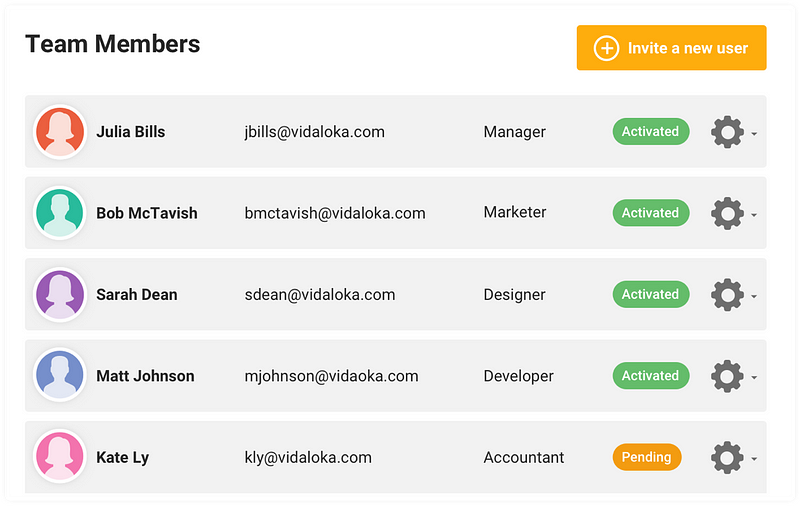
To start, as the owner of an email, I have the right to change anything. I can access anything, I can invite people, and I can manage their role and decide exactly what they can access and do in my account.
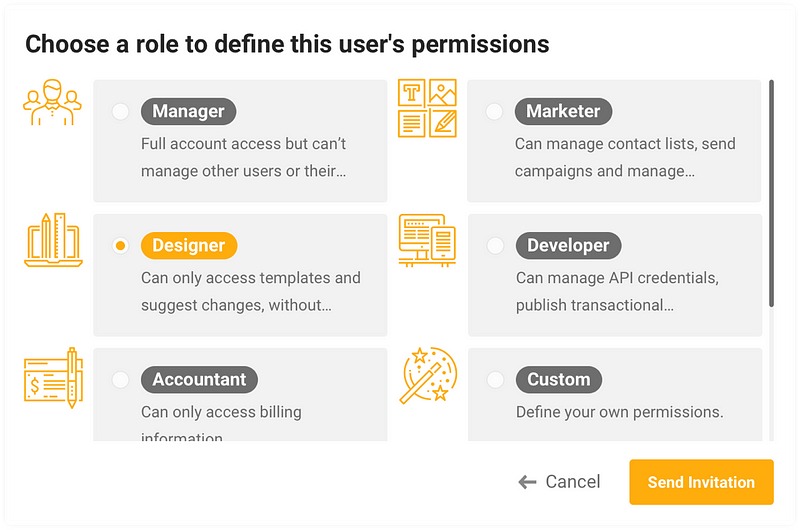
When you invite someone in your Mailjet account you can choose among different roles such as manager, developer, marketer, designer, etc. but you can also just customize exactly the permissions that the user will have. For example, you might not want to give a designer access to stats or maybe you just want to give management access to the account team version.

When you invite someone into a campaign, do they have to create an account or does it generate some sort of url?

When you invite someone, you just share your account with that person, and you decide to what extent you want to share. So, do you want to share a transactional part? Yes or no. And inside that part, do you want that person to be able to edit the template? Yes or no. To be able to send transactional templates or to send marketing emails? Really, you can decide at a very granular level what this person will be able to see, to access, and to do.

So, it starts with detailed permission settings?

Yes. As the owner, I can give a user access to campaigns, but she can only edit templates. She can’t publish templates. And that’s very important because we created a real distinction between drafts and published templates. That way all users can work without any stress and iterate on templates without them being published. And we can choose the people within the company who have the right to publish those templates.
So, you can’t use a template that hasn’t been published before. This is really useful to make sure you don’t send anything that hasn’t been approved by the right people.


 How are templates organized? How does that feature work?

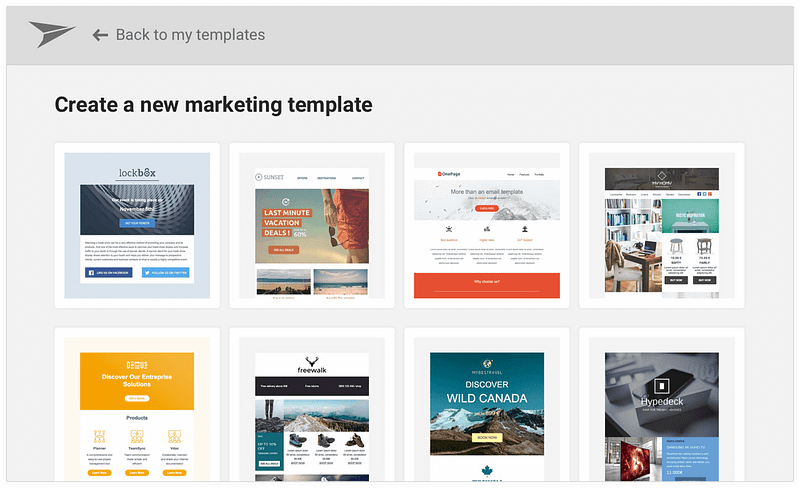
We built our template library to keep things organized. We have a lot of customers that have hundreds of templates, and it’s really hard and time consuming to find the right templates. We decided to implement labels to make sure they can easily organize all of their templates. It detects automatically the language of the template, so if it’s a multinational company you can just say, “Okay, I want all the French templates,” or “I want the English templates,” and so on. Of course, can sort by the date, the most recently created, etc. But really the idea here is is that you can find in one click the email that you need.
Importantly, you can create as many labels as you want, and they’re very different from files. Other ESPs have folders. Here you can assign multiple labels to one template, so it’s way easier to classify all of your templates.
When looking at the interface, you see drafts and published templates. So, only published templates will be available for anyone that has the right to send a campaign. They will only be able to choose amongst the published templates, so you are 100% sure that those had been evaluated.

That’s cool! How about when people are trying to build new templates or campaigns together?

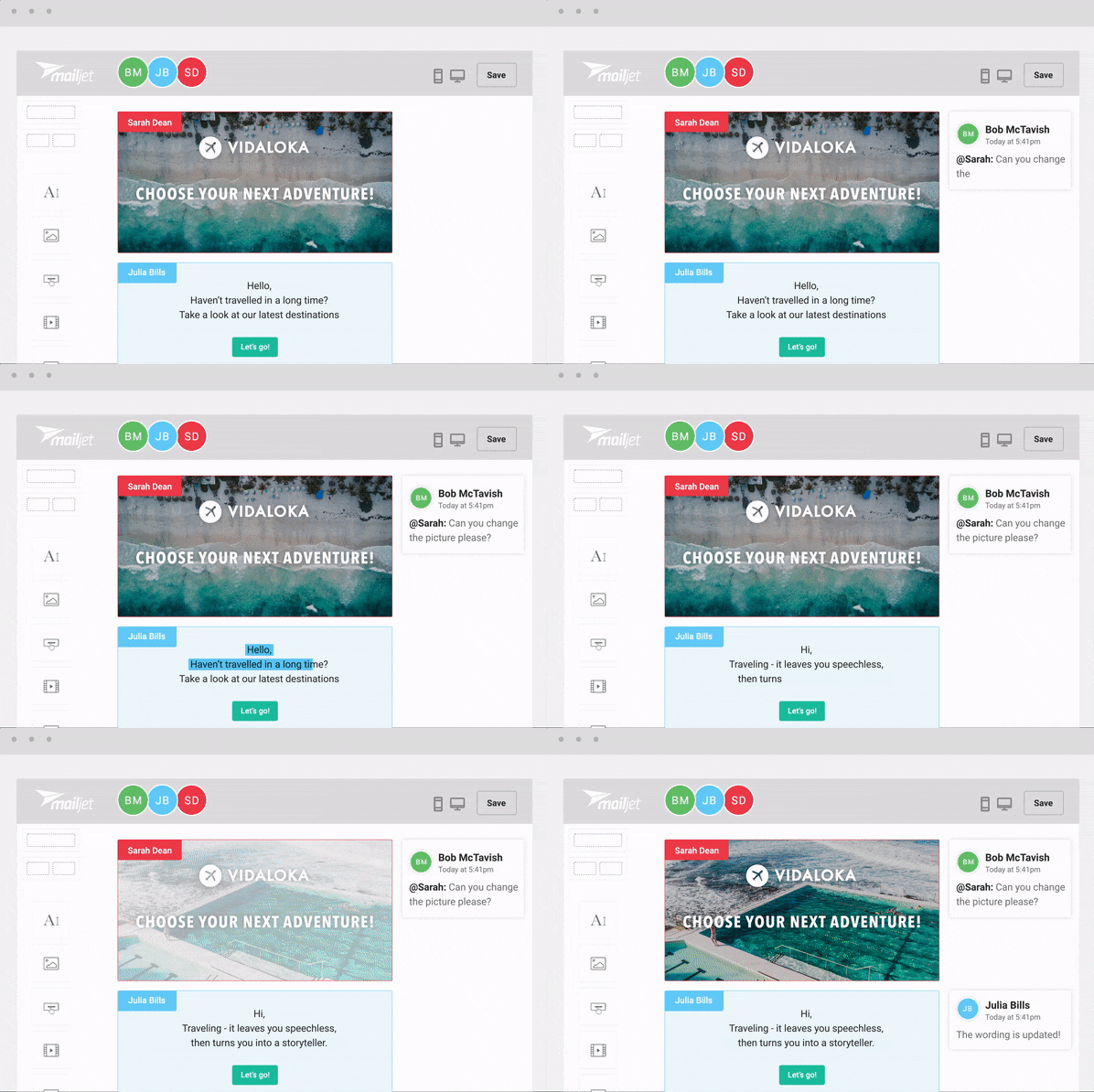
That’s where our realtime collaboration feature comes in! The idea here is that usually you’re not alone working on all your email templates. We wanted to ease the process and the teamwork related to email. So, we made a feature to allow people to work on templates together in real time.


Here’s why that’s great: let’s say that Maria wants to change a section. If I’m looking at the same template (as the owner), I know exactly what Maria is doing. I can see in real time which section she is working on and if she is changing something it’s happening in real time.
Another really cool feature to support teams working in real time is the comment feature. In our intuitive e-mail editor, you can add and reply to comments on specific sections. Basically, that’s exactly what you see everyday on Google docs. But the real time part and the commenting part are the exact same concept, but applied to emailing. So, you can ask questions, you can add notes, and you can resolve comments. You’ll also have a record of all the comments that were made on the templates under a “resolved section.”
It saves so much time being able to comment directly on the e-mail so that you can see exactly what the comment is referring to. You don’t have to ping them in a different app, or email them trying to explain what changes you want to make. It all happens clearly and easily within the email builder.


Awesome! What else have you come up with to streamline email processes?

When you need to do a batch update, for example, you need an easy solution to do this. You don’t want to have to open 100 templates and update them all. We realized that a lot of the sections are actually the same in every email template. The footer, for example, is pretty much the same in all emails, and sometimes you just want to update a year or an address, and you have to do this like 100 times for every template.
So, to save time, we created “linked sections” that you can edit and drag and drop. It means that if I decide to edit the footer, I only have to do it once. I can make the edit, click save and apply, and it will be applied in one click to all of the templates to which it is linked. So if it’s linked to 100 templates, I can update in one click the footer of every one of those templates.
So, if this footer is in an ongoing trigger campaign, with an update, it will go out on the next trigger sent!
When it comes to design and protecting your brand image, you need to make sure that your logo, your guidelines, colors, styles are respected. And for that we created what we called “locked sections.” So you can decide to lock the full section, or you can decide just to lock the text and image, or just lock the style. Basically I will allow other users to edit the text, but the text will always look the same. So, I’m 100% sure that the guidelines will be respected in all emails. It’s great because when you have different styles and a lot of templates, you don’t want to have to check everything. This allows you to be stress-free when giving access to interns that might not know the guidelines very well.


What about the publication process itself? What features have you added to make that work better?

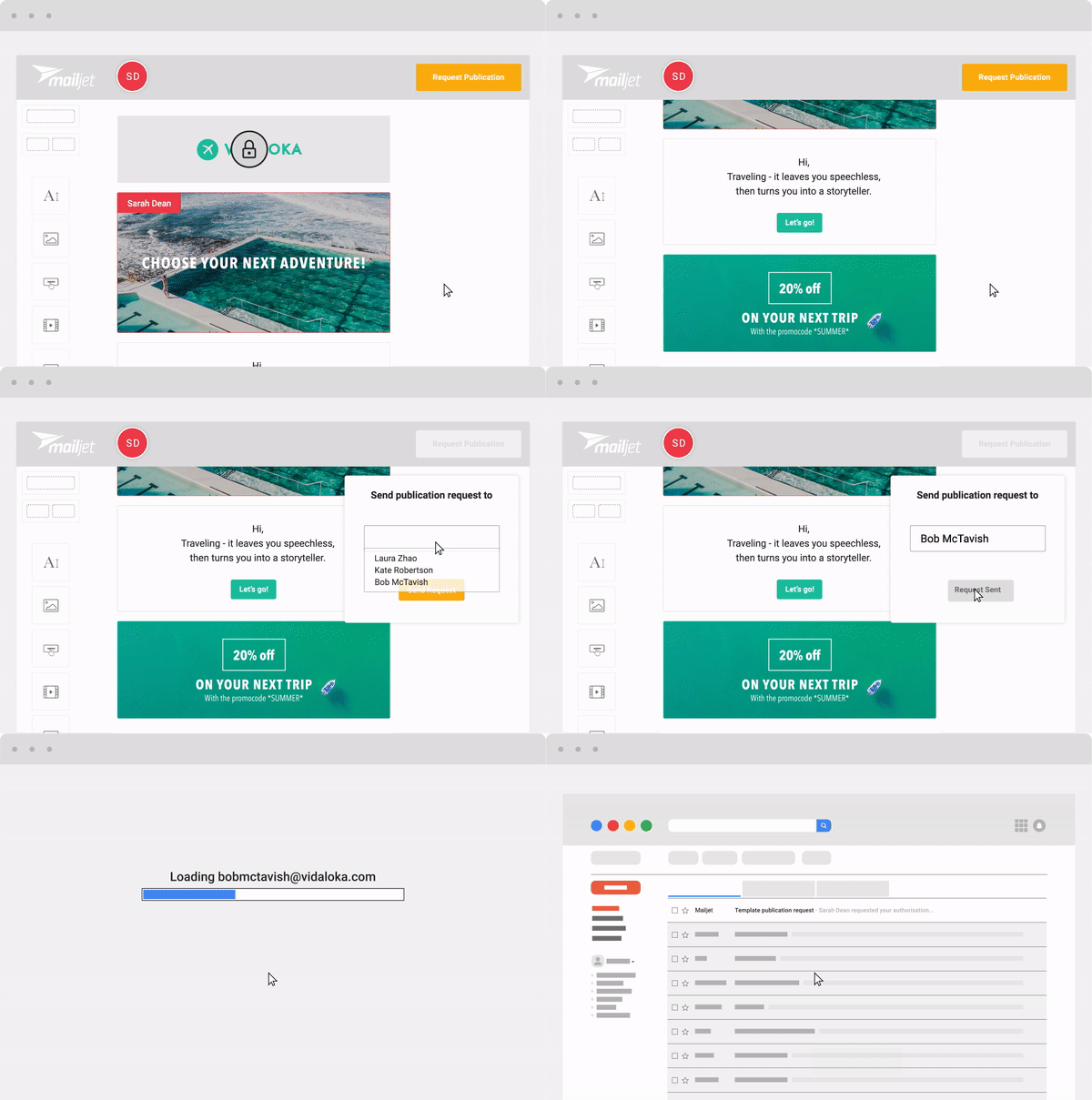
When someone has been editing templates and is ready to send the email, they can request publication. You can restrict user rights so that certain users are not allowed to publish templates, but they can work on them and then can request publication from someone that has the right to publish.
When a use clicks “request to publish,” she can select who to send the request to and include a note. If she sent it to me, I would get the notice, and I will have the choice to reject (and maybe add comments about why), or I can publish the template. Once I publish the template, it will be available in the gallery for anyone to use it for a campaign. If we’re talking transactional email, once you publish a template, this version is used by the API, so it can be sent right away to the next customer.

How did these collaboration tools come into being? How did you approach this problem?

We realized that it’s very rare that someone works alone on everything related to email. So, at some point, you need someone to approve something. At some point, you need to ask a designer to design a template for you, or an agency. It really depends on the company structure, obviously, but the processes are heavy. And emailing, it’s really a domain where there is not so much innovation when it comes to easing the way it works and the processes.
I mean, Google Docs has existed for a long time. Live chats have been around. All of us, in any company, we are used to collaborating on a daily basis except when it comes to email. At Mailjet, we realized that. We realized there was a need, and we wanted to build a set of tools and features to make sure we ease pretty much each part — from the creation to the sending.


Who is this set of tools most useful for?

We have a variety of types of customers — from very big companies such as Microsoft to small ones — that have very different ways of working on email. But we conducted some interviews. We had a lot of feedback from them, and honestly everyone gains and will save time if they are able to work together in real time.
Something quite cool about this for us is that essentially, you’ve got developers working on email, you’ve got marketers working on email, and everyone in between. And they often use different platforms. So, the DNA of Mailjet was really an email platform that lets everybody work on email, the way they want, together.

Did you get any data team sizes?

We did a lot of interviews with people, and we actually complemented that with qualitative research. So, we did a 400 person marketer research study to ask how many people are you really working with on email? And what are your pain points? And at what point does the collaboration get tough? What came out of the study was an acknowledgment that marketing teams are growing and in fact on average a campaign involves 11 people and goes through 5 different iterations. The point where collaboration gets especially complicated is actually with 10 people, so we wanted to come in and help solve some of the pain points related to this, which includes miscommunication, errors going unnoticed, and duplicated efforts.
A main thing that we did in our study — we were trying to understand how teams sizes are growing. And we’re seeing that marketing teams are growing over the last two years. So, this is going to continue to be a pain point.

Is there a way to track changes across those templates?

In each template, you can see exactly all the versions that were created. So you don’t have to duplicate to change something on a template, you just iterate directly on it to create a v2. And you know exactly who did what edit.

In terms of inviting people for the approval process, is that priced on a seat by seat basis? How does that work?

It depends on the plan chosen by their users. We have a self-service plan, and for that structure they have 3 accesses, 3 users included in the plan. And then 4, 5, up to five users for the self-service plans. Now for the custom plan. Yes, it’s priced per user. But it’s a small price, and you get a volume discount the more people you add.
Promo code REALLYGOOD can be applied at checkout for access to the Bronze Premium Plan.

MKRdezign

Contact Form

Name

Email *

Message *

Powered by Blogger.
Javascript DisablePlease Enable Javascript To See All Widget